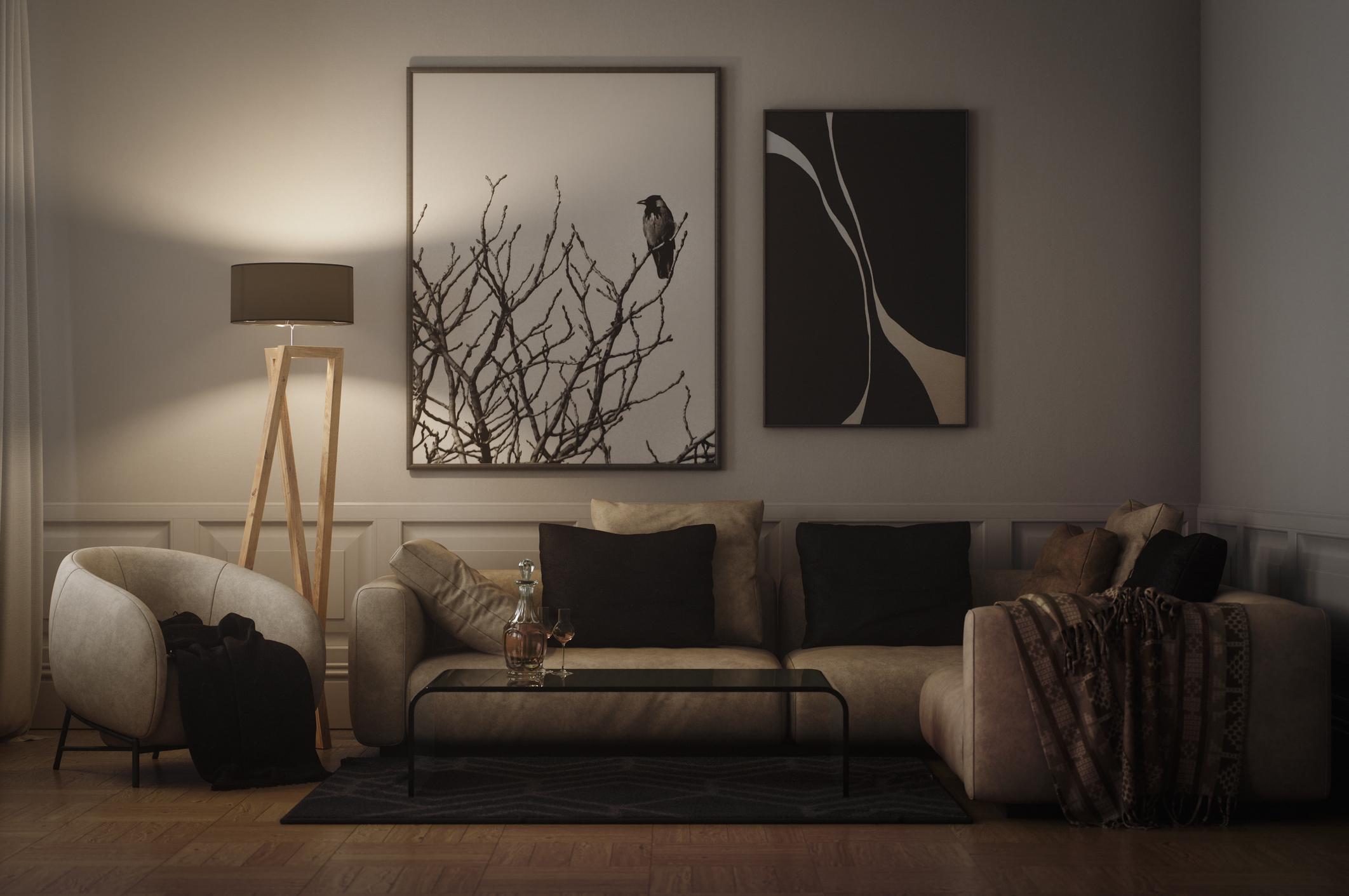
Designing Your Life Around Your Sensitivity
Designing your life around your sensitivities is not avoidance.
It is strategy. It is wisdom. It is self-leadership.
If you are highly sensitive to light, sound, smell, emotion, change, or multitasking,
your nervous system processes stimulation more deeply and intensely. When you design
your environment intentionally, you reduce chronic stress and unlock your greatest
strengths: intuition, empathy, creativity, and insight.
1. Designing Around Light Sensitivity
Your eyes and brain may register brightness, flicker, glare,
and color temperature more intensely. Harsh light can lead to fatigue, irritability, or headaches.
Home Adjustments:
- Install dimmers on overhead lights
- Use warm-toned bulbs (2700K–3000K)
- Add blackout curtains for recovery sleep
- Layer lighting with lamps instead of bright ceiling lights
Work Adjustments:
- Position desk near indirect natural light
- Use blue-light–filter glasses
- Reduce fluorescent exposure when possible
Design principle: Soft lighting supports a regulated nervous system.
2. Designing Around Sound Sensitivity
Your brain processes background noise others tune out.
Layered conversations, humming appliances, and traffic can feel overwhelming.
Home Adjustments:
- Use rugs and soft furniture to absorb sound
- Invest in noise-canceling headphones
- Use white noise for sleep consistency
Work Adjustments:
- Block deep work time during quiet hours
- Avoid open office seating when possible
Design principle: Quiet is fuel, not luxury.
3. Designing Around Smell Sensitivity
Your nervous system detects chemical and environmental scent changes quickly.
Strong smells may cause headaches or agitation.
Home Adjustments:
- Choose fragrance-free products
- Ventilate regularly
- Avoid synthetic candles and heavy air fresheners
Design principle: Clean air supports clear thinking.
4. Designing Around Emotional Sensitivity
You absorb emotional tone shifts and relational tension deeply.
Adjustments:
- Choose calm communicators in relationships
- Schedule difficult conversations
- Practice boundaries
- Build daily decompression practices
Design principle: Emotional boundaries protect empathy.
5. Designing Around Sensitivity to Change
Your nervous system needs predictability to feel safe.
Adjustments:
- Maintain consistent routines
- Use planners and visible calendars
- Build buffer time before transitions
- Communicate need for advance notice
Design principle: Predictability reduces overwhelm.
6. Designing Around Multitasking Sensitivity
Task switching is mentally costly for deep processors.
Adjustments:
- Single-task whenever possible
- Use time blocking
- Turn off non-essential notifications
- Close unused tabs
Design principle: Depth over speed.
Reflection Questions
1. Which sensitivity drains me most consistently right now?
2. Where in my environment can I make one small adjustment this week?
3. What conversations do I need to have about my needs?
4. What does a regulated day look like for me?
5. If I designed my life around thriving instead of coping, what would change first?
Connect with me at www.hspthrive.com.


