The Science Behind Sensitivity: What’s Happening in Your Brain — and How to Manage It
Sensitivity is often misunderstood. Many people grow up hearing phrases like “You’re too sensitive” or “You need thicker skin.” But modern neuroscience tells a very different story.
Sensitivity is not weakness. It is a biologically based trait rooted in how the brain and nervous system process information.
WHAT IS SENSITIVITY, SCIENTIFICALLY?
Psychologist Elaine Aron introduced the concept of Sensory Processing Sensitivity (SPS). Research suggests that approximately 15–20% of the population has a nervous system that processes information more deeply.
This trait involves:
• Deeper cognitive processing
• Stronger emotional responsiveness
• Heightened awareness of subtleties
• Increased susceptibility to overstimulation
This is not a disorder. It is a temperament trait.
THE SENSITIVE BRAIN: WHAT RESEARCH SHOWS
Brain imaging studies show that highly sensitive individuals tend to have:
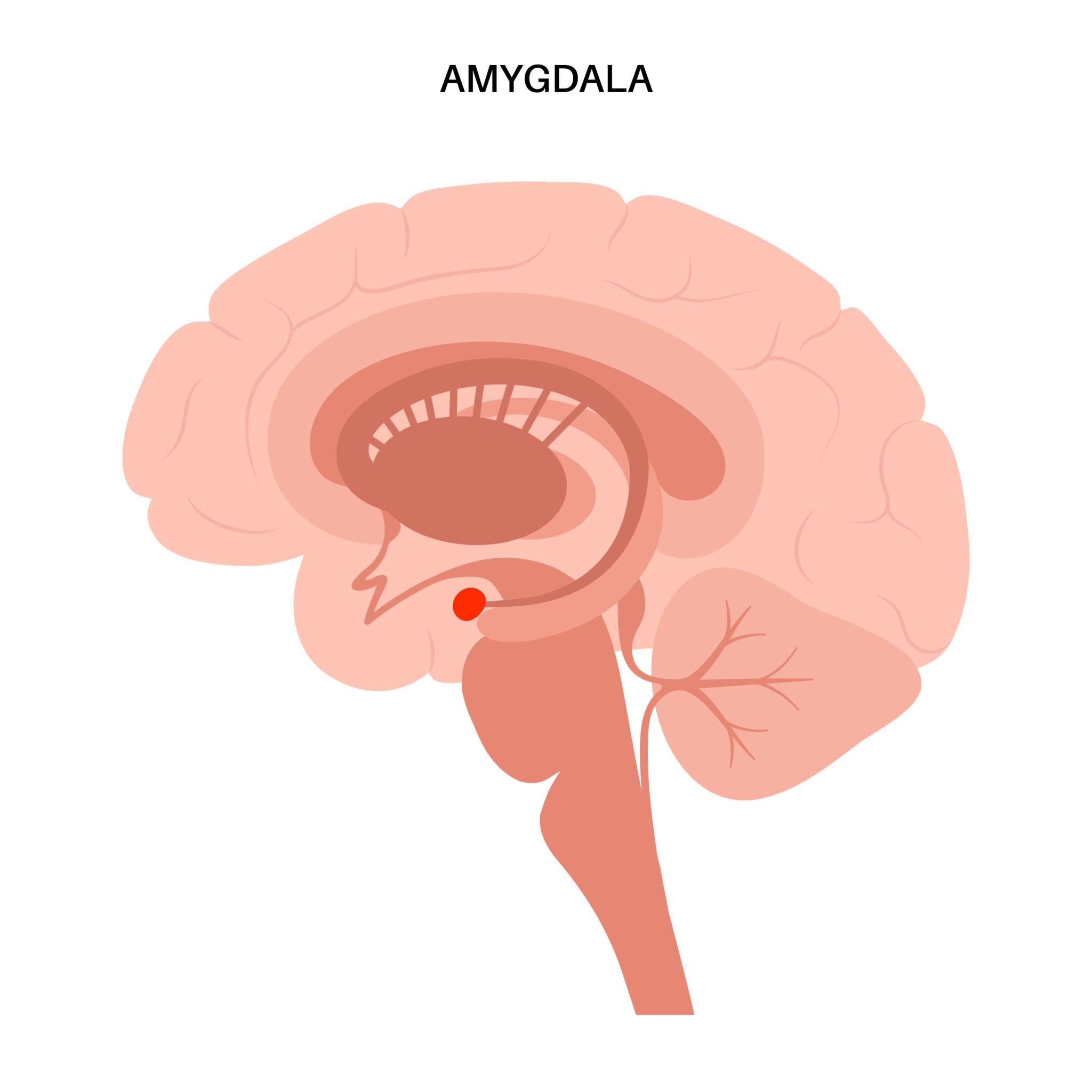
• Greater activation in the amygdala (emotion processing center)
• Increased activity in areas related to empathy and awareness
• More engagement in cortical regions responsible for depth of processing
Sensitive brains analyze and integrate more information — which can be both a strength and a source of fatigue.
THE NERVOUS SYSTEM & OVERSTIMULATION
Your autonomic nervous system has two key branches:
• Sympathetic: Fight, flight, mobilize
• Parasympathetic: Rest, digest, restore
Sensitive individuals often activate faster, stay activated longer, and require more recovery time.
COMMON TRIGGERS
• Loud or layered noise
• Bright fluorescent lighting
• Emotional tension
• Multitasking
• Tight schedules
• Lack of downtime
HOW TO MANAGE SENSITIVITY
1. Regulate the Body First – Use slow breathing, progressive muscle relaxation, grounding techniques, and gentle movement.
2. Reduce Sensory Load – Adjust lighting, use headphones, build buffer time, limit multitasking, and take breaks.
3. Build Emotional Boundaries – Pause before reacting. Ask what emotions are yours. Communicate needs clearly.
4. Create Recovery Rituals – Spend time in nature, schedule quiet solitude, journal, and maintain predictable routines.
5. Reframe the Narrative – Instead of “I’m too sensitive,” try “My nervous system processes deeply.”
FINAL THOUGHT
Sensitivity is neurologically real, biologically based, manageable with skill, and potentially a powerful strength when regulated.


